

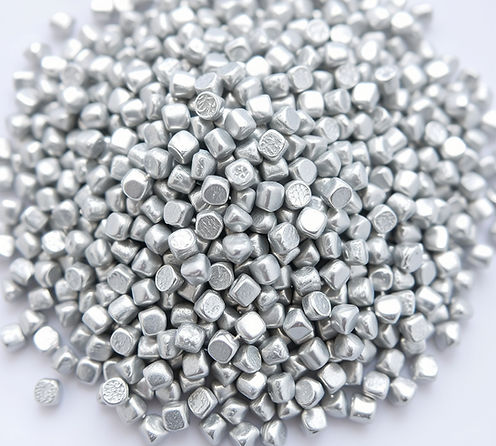
One of the most difficult and difficult stages of a complicated manufacturing undertaking may be selecting the materials. Engineers need to take into consideration the performance, manufacturing, operating parameters, and reliability, yet not overly complicate the process. When considering all the materials available, few people make their best decisions, as too many choices lead to greater confusion than clarity. Many engineering teams also make their Buy Metal fabrication materials after making technical comparisons in a practical manner instead of assuming.
Define Project Needs
All good materials choices start with an understanding of exactly what the completed part needs to do. Care should be taken before comparing materials, as temperature is a factor, mechanical loading, corrosion exposure, dimensional accuracy and expected service life should all be taken into consideration. If this initial evaluation is omitted, then further redesigns will occur later in production that will be unnecessary. A clear list of engineering requirements lets buyers and designers ignore options that don’t fit the bill and save precious time looking at detailed product specs.
Compare Material Properties
After the requirements of the projects are clear, the comparison of the characteristics of materials becomes easier. Properties such as strength, hardness, thermal resistance, electrical properties and machinability should all be evaluated relative to the actual requirements, not in terms of their theoretical maximums. Many materials can be useful for the same purpose, but have different practical benefits, which is something that engineers may find out. Comparisons can help to make balanced choices and limit waste on unnecessary specifications that don’t offer many operational benefits.
Review Manufacturing Methods
The selection of materials ought to always be made with the idea of manufacturing components after they have been bought. The various cutting, machining, welding, forming, coating and assembly operations will affect the type of material that is most suitable for a project. At the same time, a good technical material can be impractical if it becomes unwarrantedly costly or time-consuming to make. The compatibility of the manufacturing process is also a consideration when selecting Shop Permanent Magnet Materials, since product components often require specific production methods.
Evaluate Operating Conditions
Materials are required to have varying properties in different industrial applications under different conditions such as heat, moisture, chemicals, vibration, pressure and mechanical stress. Engineers need to investigate actual operating conditions, and not just the performance values from the laboratory. Components that show good performance under controlled testing conditions may behave differently under continuous industrial operation. By examining all of the environmental conditions, material selection helps boost confidence and minimize adjustments made in later stages of the manufacturing process.
Balance Cost Factors
The initial price of a purchase is just a part of the entire story of the material. Total project value encompasses fabrication costs, maintenance requirements and schedules, production efficiency, and operational performance. Engineers often consider lifecycle costs, rather than just procurement budget. This wider assessment can help make better purchase decisions based on lower-cost materials that may involve higher manufacturing or maintenance costs for extended equipment use.
Use Supplier Knowledge
Well-established suppliers may also offer technical documentation and guidance in practice, which can make complex decisions about material easier. Product certifications, specification sheets and engineering support enable buyers to make more informed comparisons before production commences. When selecting a metal goods supplier, it is beneficial to the organization to acquire that supplier’s expertise. The metal goods supplier may have special questions regarding the product that cannot be answered by the description alone, especially when considering metal goods materials for industrial use. Good communication can prevent uncertainty from impacting production schedules.
Plan Future Changes
Not often do manufacturing projects stay the same over the duration of the project. Later, due to design changes, production expansion or other operating changes, additional materials may be needed. The use of materials that offer flexibility for future changes helps facilitate the project’s growth throughout the years. When buying Shop Permanent Magnet Materials, businesses look for long-term availability as it aids in smoother production planning in the future and minimizes purchasing delays for continuous engineering projects.
Conclusion
To simplify material selection, engineers need to concentrate on the project requirements, operating conditions, manufacturing processes, supplier knowledge, and project life cycle rather than making comparisons between each of the materials available in the market. Regmetals.com is an industrial material solutions provider to manufacturers who are looking to purchase Buy Metal fabrication materials as well as advanced engineering solutions for challenging applications. When buying, a well-planned purchase can help increase production efficiency, minimize unnecessary design changes and manufacturing delays. The most potent methods in successful material selection are still a practical evaluation process.
